Peak Scientific - helium in the lab alternaitve gas supply

Global Helium Shortage

Solutions to the helium shortage for Gas Chromatography Applications

With only three sources producing 75% of the world’s helium supply, leading to multiple helium shortages in the last decade alone, many major industries are being affected - including gas chromatography research - and are now seeking solutions to the latest helium shortage crisis.

The worldwide demand for helium supply shows no signs of abating, and the helium shortage is, once again, posing a global threat. The helium shortage is anticipated to affect major industries across the globe.

The world’s helium supply could run out within a decade and plans for prevention of another helium shortage are in motion. Recycling of helium has been pushed forward as a tenable solution. However, the costs involved in programs for helium recycling have proven to be extremely expensive for a number of businesses relying on helium for their daily processes, and so the search for helium fields continues.

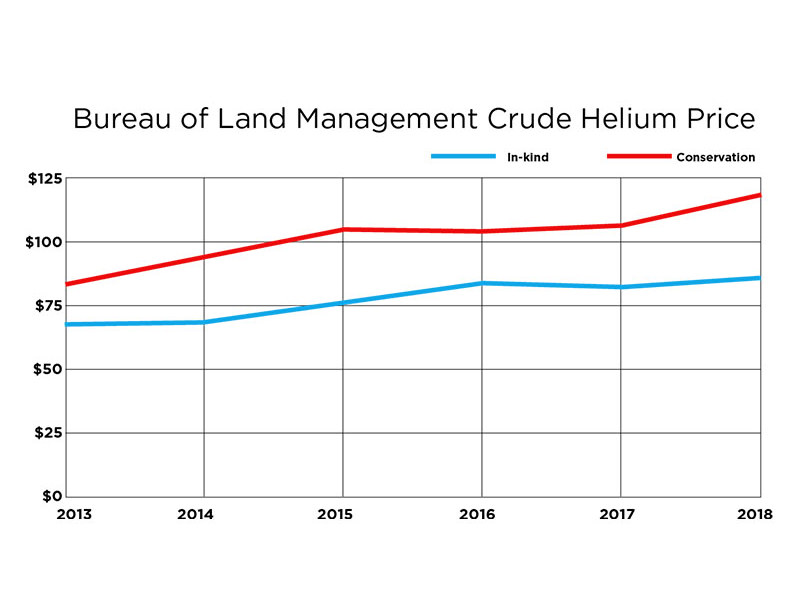
Helium prices on the rise

PEAK Intura: The alternative to a pressing problem of helium supply shortage

Fortunately, for certain industries, such as laboratories using gas chromatography, alternatives to helium supply do exist and can be made readily available. If you’re looking into switching, nitrogen or hydrogen generators are an effective substitute for helium as a carrier gas.

PEAK Scientific’s Intura series is a long-term solution to the helium supply shortage for GC analysis, guaranteeing optimum in-house gas delivery. Analyses will no longer have to be put on hold due to an empty helium gas tank and the days of ordering and organizing deliveries will be long gone.

PEAK Scientific’s Intura series are also an invaluable, safe alternative to a pressurized helium cylinder. Gas generators store very low volumes of gas and operate at low pressures. This ensures the risks of danger are reduced to a bare minimum by limiting the amount of gas which can be released into the atmosphere. The internal leak detectors with automatic shutdown features also account for any risks sensed by the hydrogen gas generator.

Intura Hydrogen 2

Benefits of replacing helium with hydrogen for GC carrier gas:

• Increased sampling speed

• Cost effective, readily-available, environmentally-friendly gas

• The costs involved in using hydrogen are much lower than helium

Cost-effective alternatives to helium for gas chromatography

Carrier gas velocity

Nitrogen gas is another option for GC carrier gas and PEAK's Intura Nitrogen generator ensures your analysis has high-purity gas which can be produced through compressed air, on demand.

Van Deemter's graph, on the left, shows the velocity of the three gases - nitrogen, hydrogen and helium. Although at a lower speed than helium, nitrogen provides the best possible separation efficiency, followed by hydrogen.

Intura N2 3 4 Left

Benefits of using nitrogen for GC carrier gas:

• High in abundance and readily available

• Costs are much lower when working with nitrogen due to in-house production

• Higher separation efficiency when compared to helium and hydrogen

• Analyses can be quickened using a column with a shorter and narrower internal diameter

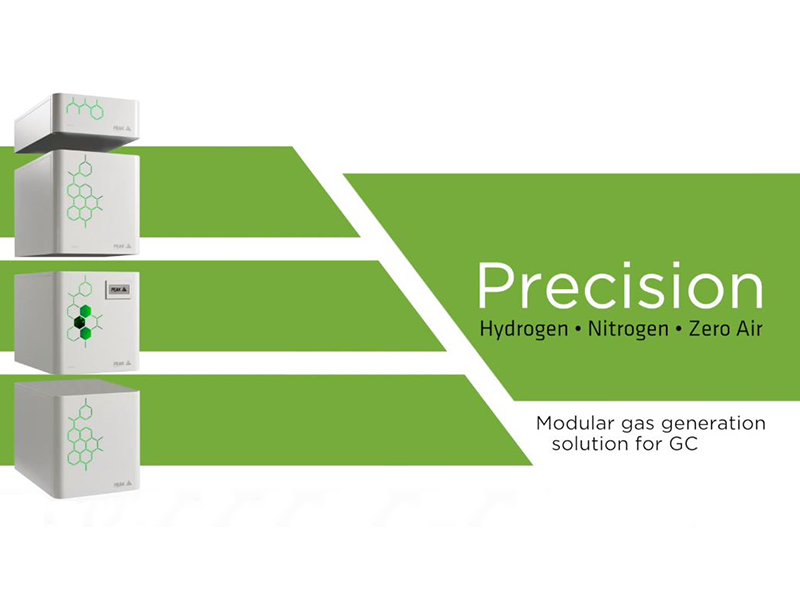
Dr Ed Connor, GC product specialist at Peak, talks about the Precision series

Subscribe to our newsletter for regular product updates, news and insights.